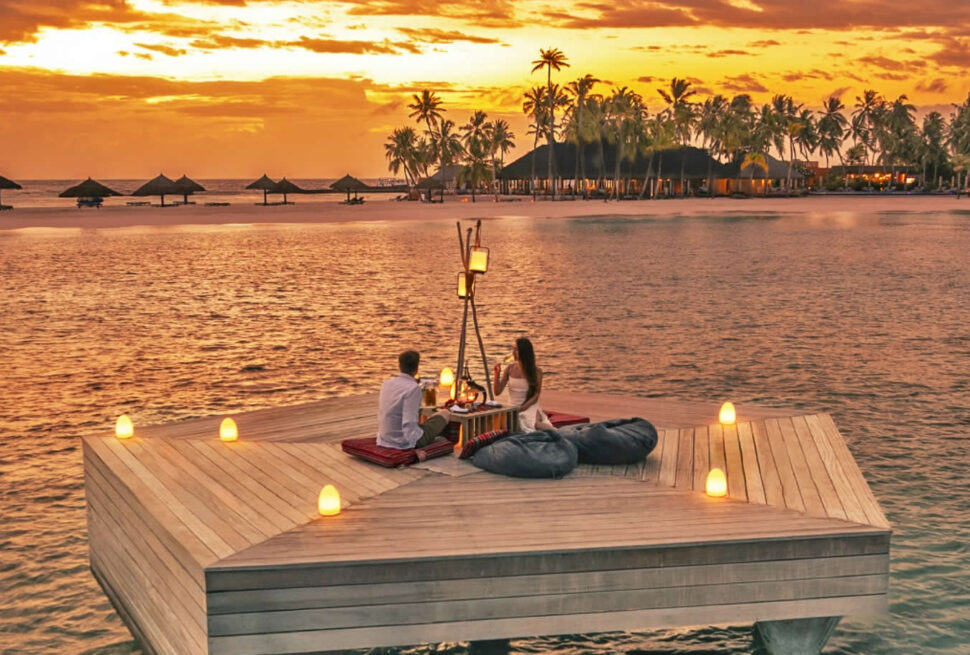
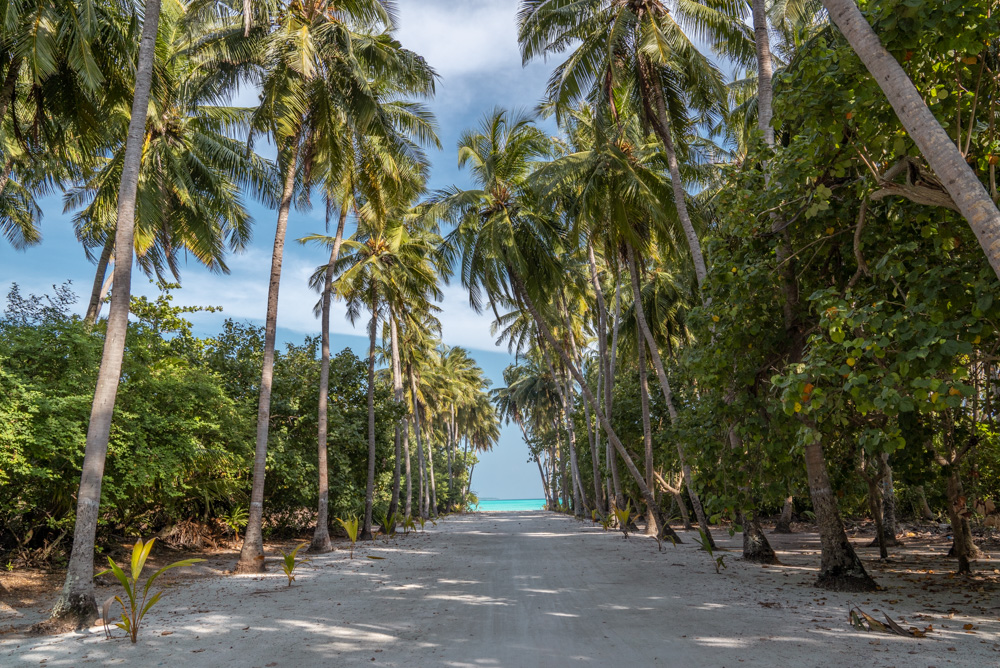
For decades, the Maldives has been globally recognized as one of the world’s most luxurious travel destinations. Travelers dreaming of turquoise lagoons, overwater villas, and pristine white sand beaches often imagine the exclusive resorts scattered across private islands in the Indian Ocean. While these resorts remain a cornerstone of Maldivian tourism, a new and rapidly growing segment is reshaping the industry—local island tourism.
Across the archipelago of the Maldives, local tourism has experienced remarkable growth over the past decade. Since government regulations allowed guesthouses to operate on inhabited islands, local communities have embraced tourism as a powerful opportunity for economic development, cultural exchange, and sustainable travel.
A More Accessible Maldives
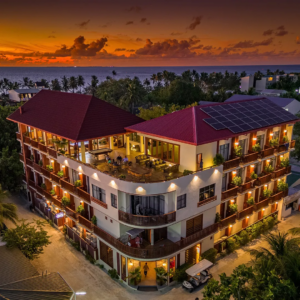
Local tourism has opened the Maldives to a broader range of travelers. Guesthouses and boutique hotels on inhabited islands offer a more affordable alternative to luxury resorts, allowing visitors to experience the beauty of the Maldives without the premium price tag. Travelers can now stay among local communities, explore authentic island life, and still enjoy the same crystal-clear waters, coral reefs, and tropical landscapes that make the Maldives famous.
This accessibility has dramatically increased the number of tourists choosing local islands as their base. Islands such as Maafushi, Thulusdhoo, and Dhigurah have become popular destinations, offering vibrant guesthouse scenes, water sports, diving excursions, and cultural experiences.
Authentic Island Experiences

One of the biggest appeals of local tourism is the opportunity to experience genuine Maldivian culture. Visitors can enjoy traditional cuisine, interact with island communities, and learn about the unique lifestyle shaped by the ocean. Fishing trips with local fishermen, sunset cruises, sandbank picnics, and snorkeling excursions offer travelers memorable experiences that go beyond the typical resort stay.
Local tourism also provides travelers with a deeper understanding of Maldivian traditions, craftsmanship, and hospitality. Guests often find themselves welcomed like family, creating personal connections that make their visit even more meaningful.
Economic Growth for Local Communities
The growth of guesthouses and local tourism businesses has created new income opportunities for island communities. Small businesses such as cafes, dive centers, water sports operators, and souvenir shops have flourished alongside guesthouses. This diversification allows tourism revenue to reach more households across the country.
For many islands, tourism has become a key driver of employment, especially for young entrepreneurs eager to build businesses within their communities. The growth of local tourism is helping to strengthen island economies while reducing the need for residents to migrate to larger urban centers like Malé for work.